Do you have an itchy pet with nonstop scratching that seems to come out of nowhere? Do their paws smell like corn chips, or are their ears constantly stinky? Maybe they’re licking and chewing on themselves like it’s their full-time job.
It’s easy to chalk these up as harmless quirks or seasonal allergies, but these signs could point to something deeper beneath the surface. One common contributor: Yeast!
There are ways to control candida and other yeasts that gently and effectively support your pet from the inside out. In this blog post, we’ll look at the bigger picture of pet itching, how yeast plays a role, and some natural remedies for Candida to help bring balance back to your pet’s body (and ditch those corn chip paws too!).
What’s Really Causing Your Itchy Pet’s Discomfort?
Before we get into yeast, let’s talk about some other reasons why pets scratch, chew, lick, or develop red, irritated skin. Candida is one possibility—it’s just not the only one.
Some common causes of chronic itching in pets include:
- Environmental allergies (atopy): Pollen, mold, dust mites, and grasses can trigger allergic responses in sensitive pets.
- Flea allergy dermatitis: A single flea bite can cause major itching in pets with flea allergies.
- Food sensitivities: Proteins like chicken or grains such as wheat and corn can trigger skin flare-ups.
- Chemical exposure: Shampoos, lawn treatments, or home cleaners may irritate the skin or stress the immune system.
- Underlying infections: Bacterial or fungal infections can live under the skin or in the ears and paws, causing chronic discomfort. For example, while Candida albicans is a common yeast, Malassezia pachydermatis is a more common yeast that naturally lives on the skin but can overgrow when conditions are just right, like when the ears are warm and moist.
What is Candida?
Candida albicans is a type of yeast that lives in the gut, skin, and mucous membranes of humans and animals. In balance, it’s harmless. However, Candida can overgrow when the internal environment shifts and start causing problems. That’s when it turns from a quiet roommate into an unwanted houseguest.
Candida overgrowth can affect both cats and dogs, but tends to show up more in:
- Breeds with skin folds or floppy ears (like Bulldogs, Cocker Spaniels, and Basset Hounds)
- Pets with diabetes or endocrine imbalances
- Those with a history of frequent antibiotic, steroid, or allergy medication use
Signs of Candida Overgrowth in Pets
Candida doesn’t always show up in the same way, which is why it’s often missed or mistaken for something else. Some pets may have a cluster of symptoms, while others might show just one or two.
These signs may appear in any itchy pet, but may be more frequent when yeast is involved. Here’s what to look for:
- Persistent Itching or Licking: Especially around the ears, paws, armpits, groin, or belly. You might notice your dog constantly chewing their feet or rubbing their face on the carpet.
- Stinky Ears or Recurring Infections: Yeast loves warm, moist areas—so the ears are a favorite hangout spot. You may see discharge, redness, or head shaking.
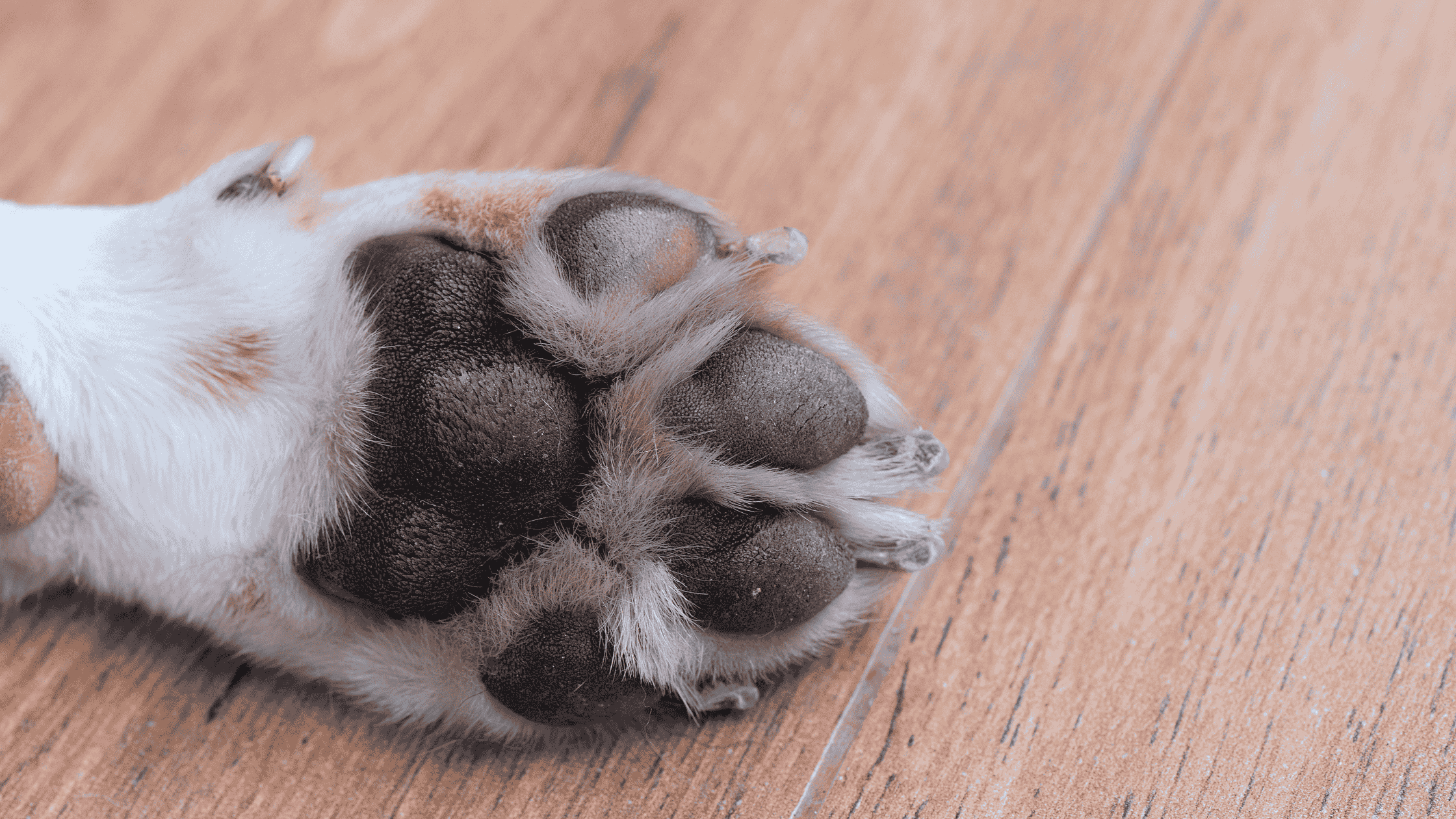
- Corn Chip Smell: That “Frito feet” smell? It’s not just quirky—it’s a possible sign of yeast buildup, especially between the toes.
- Red, Inflamed, or Scaly Skin: Skin may appear greasy, flaky, or even develop dark patches from chronic inflammation.
- Digestive Upset: Diarrhea, bloating, or food intolerances may accompany yeast overgrowth, especially if it started in the gut.
- Foul Smelling Breath: In some cases, pets with Candida overgrowth may develop a noticeably foul odor on their breath.
- Behavior Changes or Lethargy: As the yeast overgrowth takes a toll on your pet’s immune system, you may notice them becoming more sluggish or tired than usual.
- Discomfort or Pain: Pets may become more sensitive to touch or avoid certain movements due to discomfort caused by Candida infections.
How Does Candida Overgrowth Happen in Pets?
Candida overgrowth doesn’t usually happen in a vacuum; an imbalance in diet, stress, or health history often triggers it. Here are some of the top contributors:
1. Diet
A diet high in sugar and processed foods can fuel yeast overgrowth, as yeast thrives on sugar. Diets that are not nutritionally balanced can weaken your pet’s immune system and contribute to an overgrowth of Candida.
2. Antibiotic Use
While necessary for many health reasons, antibiotics wipe out bad bacteria, but they also clear out beneficial strains that normally keep Candida in check. Once the balance is off, yeast can quickly overtake.
3. Weakened Immune System
If your pet’s immune system is busy dealing with chronic inflammation, environmental toxins, or another condition like diabetes, it may not have the resources to keep yeast from multiplying.
4. Excess Moisture or Poor Hygiene
Damp skin folds, unclean ears, or poor grooming habits can all create the perfect environment for Candida to thrive.
5 Natural Ways to Control Candida and Yeast from the Inside Out
Let’s talk solutions. Whether you’ve got a chronically itchy pet or one dealing with sudden flare-ups, these tips offer gentle support from the inside out
1. Make Dietary Changes
- Low-Starch, High-Protein Meals: Switch your pet to a high-quality, balanced diet low in simple carbohydrates and sugars.
- Raw or gently cooked foods can be easier to digest and lower in yeast-feeding carbs.
- Avoid Grains and Sugars: Grains and sugars can feed yeast, so it’s best to avoid foods that contain corn, wheat, or sugary additives. Look for grain-free pet food options if you suspect Candida is an issue.
- Supportive ingredients: Add coconut oil (antifungal), bone broth (gut healing), and herbs like turmeric for added anti-inflammatory effects.
2. Add Gut-Boosting Probiotics
- Probiotics support the gut-skin axis—a well-established connection between digestive balance and healthy skin. A healthier microbiome means less inflammation and less fuel for yeast to grow.
- Look for multi-strain formulas with Lactobacillus, Bifidobacterium, and Saccharomyces boulardii. These help crowd out yeast, support digestion, and restore microbial balance, especially after antibiotics.
- You can also offer your pet probiotic-rich foods in moderation:
– Plain Kefir (unsweetened, dairy or coconut-based)
– Plain Yogurt (Choose one without added sugar or artificial sweeteners.)
– Goat’s milk: Naturally rich in probiotics and easier to digest than cow’s milk. Look for raw or fermented varieties made for pets.
3. Consider Natural Antifungals and Herbals
These natural tools may help you control Candida and yeast without harsh effects.
- Caprylic Acid: A naturally occurring fatty acid found in coconut and palm kernel oil, caprylic acid has strong antifungal properties that help kill off excess Candida.
- Garlic: While garlic can be toxic to dogs in large quantities, small amounts can help fight yeast infections. Check with your vet for proper dosage recommendations.
- Oregano Oil: Oregano oil is another potent antifungal that can be used in moderation to help combat Candida overgrowth. Use only pet-safe preparations, and never apply full-strength oregano oil to your pet’s skin or feed it undiluted—it can cause burns or stomach upset.
- Apple Cider Vinegar: A diluted apple cider vinegar solution can be sprayed onto your pet’s skin to help balance the pH and fight yeast infections. Make sure it’s diluted (one part vinegar to two parts water) to avoid irritation.
- Aloe Vera: Aloe vera has soothing, anti-inflammatory, and antifungal properties. Applying fresh aloe vera gel to your pet’s skin or ears can help reduce irritation caused by Candida.
4. Support Detox + Immune Function
- Milk thistle or dandelion root can support liver detox. The liver helps filter waste and metabolize medications—supporting it is key when your pet is clearing out excess yeast byproducts.
- Echinacea or astragalus can help immune resilience.
- Use whole-food supplements like spirulina or chlorella to gently support detoxification.
5. Maintain Clean, Dry Skin
Keeping your pet’s environment clean and dry is essential to prevent Candida overgrowth:
- Regular Bathing: Bathe your pet with a gentle, antifungal shampoo. Look for shampoos containing ingredients like tea tree oil or Aloe Vera, which can help soothe inflamed skin and fight yeast.
- Clean Ears: Yeast infections often develop in pets’ ears, especially in breeds with floppy ears. Clean your pet’s ears regularly with a mild, pet-safe ear cleaner to prevent infection.
- Dry Your Pet Thoroughly: After baths or outdoor play in damp environments, make sure to dry your pet’s skin and ears completely. Yeast thrives in warm, moist conditions.
Overgrowth in pets can be concerning, but with the right approach, you can help control candida in your pet’s body and improve their overall health.
As always, if you’re concerned about your pet’s health, it’s important to consult with a holistic veterinarian to ensure you’re taking the best course of action.
Candida doesn’t have to take over your pet’s life—or yours. Cleaning up the internal terrain and taking a natural, whole-body approach can help bring their skin, gut, and immune system back into harmony.
The result? Less scratching, better digestion, healthier ears, and a more vibrant, happy pet.