Reading the Signs of Healthy Dog Poop Like a Pro
If you share your home with a dog, you’ve become a bit of a poop analyst—whether you meant to or not.
Every walk ends with a bag in hand, and every scoop gives you a quick peek into your dog’s health. It’s not glamorous, but it’s one of the easiest ways to check how their digestive system is doing.
Healthy dog poop tells you a lot more than whether your pup’s diet is working. The color, shape, texture, and even the smell give clues about their digestion, hydration, microbiome, and overall balance. And while it might seem like “just poop,” those daily deposits are a reflection of what’s happening inside, especially in the gut, where most of your dog’s immune system and energy production begin.
When Your Dog’s Poop Looks a Little Off
Maybe the color’s off, the texture’s strange, or the smell could clear a room. Whatever it is, it’s not the everyday normal dog poop you’re expecting from Fido! These changes aren’t random; they’re your dog’s way of sending an update from the inside out.
Healthy digestion produces consistent, easy-to-pick-up poop. But when things shift, it often reflects what’s happening in your dog’s gut, diet, or even energy balance.
Here’s a quick look at what those “not-so-normal” dog poops might be trying to tell you. (Please contact your vet for any concerns.)
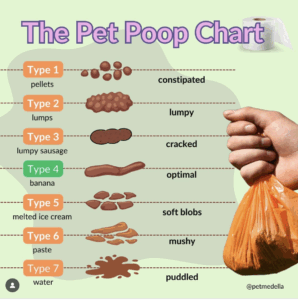
Hard, pebble-like stool
Often reflects slow movement through the colon. The body has pulled too much water from the stool, which can signal mild dehydration or sluggish digestion. It’s the digestive system’s way of saying things are moving too slowly.
Soft or shapeless stool
Points to the opposite problem—food moving too quickly through the intestines. This can occur when digestion is disrupted or when the gut microbiome isn’t fully balanced, resulting in less time for nutrients to be absorbed.
Runny or watery stool
Diarrhea can happen after excitement or stress (yes, dogs get anxious tummies too), but it can also point to parasites, infections, or food sensitivities.
Greasy or pale gray stool
Suggests that fats aren’t being fully broken down. This often relates to bile production or enzyme activity, indicating that the liver or pancreas may be under extra strain.
Yellow or orange stool
Can indicate that bile isn’t flowing normally, or that digestion is happening too quickly for bile to do its job, or perhaps they’ve eaten too many carrots, sweet potatoes, or pumpkin!
Green stool
Can show that bile is moving too quickly through the intestines or that your dog has eaten grass to soothe an unsettled stomach.
Black, tar-like stool
May be partially digested blood from higher up in the GI tract, meaning the stomach or upper intestines may be irritated.
Bright red streaks in the stool
Can come from fresh blood lower in the digestive tract—often due to straining, inflammation, or irritation.
White or chalky stool
Reflects high mineral or calcium content, often from bone intake or mineral buildup in the digestive process.
Mucus or a slimy coating
May tell you the intestines are irritated and trying to protect their lining. It can appear when there’s inflammation or when digestion is off rhythm.
What Does Smelly Dog Poop Tell You?
Let’s be honest—dog poop will never smell good. But there’s a difference between the standard “that’s poop” odor and something that makes you question your life choices mid-walk.
Smelly dog poop often tells you how efficiently digestion is happening. A mild, earthy smell is normal, but when the odor becomes sour, rotten, or downright offensive, it usually means something inside isn’t being fully broken down.
A particularly strong or foul odor can point to an imbalance in the gut microbiome, where less-friendly bacteria are producing gases as they ferment undigested food. If your dog’s stool is especially pungent and greasy, it can indicate poor fat digestion—often linked to bile flow or pancreatic enzyme activity.
Metallic or sour smells sometimes suggest protein isn’t digesting properly, while a yeasty scent can reflect microbial overgrowth or mild inflammation in the gut.
From a bioenergetic viewpoint, odor intensity mirrors how well the body’s “waste transformation” process is functioning. When the system handles food efficiently, waste leaves the body with less energetic residue—less smell, smoother flow. A strong, lingering odor suggests the body is holding onto or struggling to process certain foods or energetic patterns, creating stagnation.
So, while no poop will ever be perfume-worthy, paying attention to smell changes gives you another simple (if smelly) way to monitor your dog’s internal balance.
What Does Normal Dog Poop Look Like?
Once you know what’s not normal, you start to appreciate what is. Normal dog poop is the gold standard—steady, formed, like a banana, and easy to pick up without leaving streaks behind.
The perfect pile checks a few boxes:
- Color: A rich chocolate-brown hue. That means bile is doing its job, breaking down food and waste.
- Shape: Log-shaped, with defined edges that hold form without crumbling.
- Texture: Firm but pliable—think Play-Doh, not dry clay.
- Smell: Noticeable but not overpowering. If it’s making you gag, that’s not normal dog poop.
This is what healthy dog poop looks like—evidence that digestion, absorption, and elimination are in sync. It shows the microbiome is balanced, nutrients are being used efficiently, and the body’s energy systems are flowing smoothly.
When your dog’s poop looks and smells “normal,” it’s a sign that everything from gut bacteria to enzyme activity is doing exactly what it should.
What You Can Do to Support Healthy Dog Poop
You don’t need to overanalyze every walk. Supporting healthy dog poop comes down to nurturing digestion from the inside out.
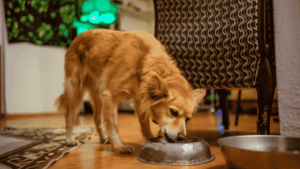
- Feed quality food. Look for whole-food ingredients with balanced protein, fats, and fiber. Avoid frequent switches—dogs thrive on consistency.
- Keep hydration steady. Adequate water intake keeps stool soft enough to pass comfortably and supports detox pathways.
- Prioritize gut health. Probiotics, digestive enzymes, and fiber-rich foods like pumpkin can help maintain a healthy microbiome.
- Watch for stress. Travel, changes in routine, and emotional shifts can all affect digestion and elimination.
- Move that body. Physical activity stimulates digestion and keeps energy flowing—both physically and energetically.
- Check in with your vet. Persistent changes in poop—especially color, consistency, or smell—deserve a professional look.
The goal is balance: a digestive system that receives nourishment, transforms it into usable energy, and releases waste with ease. Healthy dog poop isn’t just a sign of good digestion—it’s proof that your dog’s entire system, from microbiome to metabolism, is in harmony.