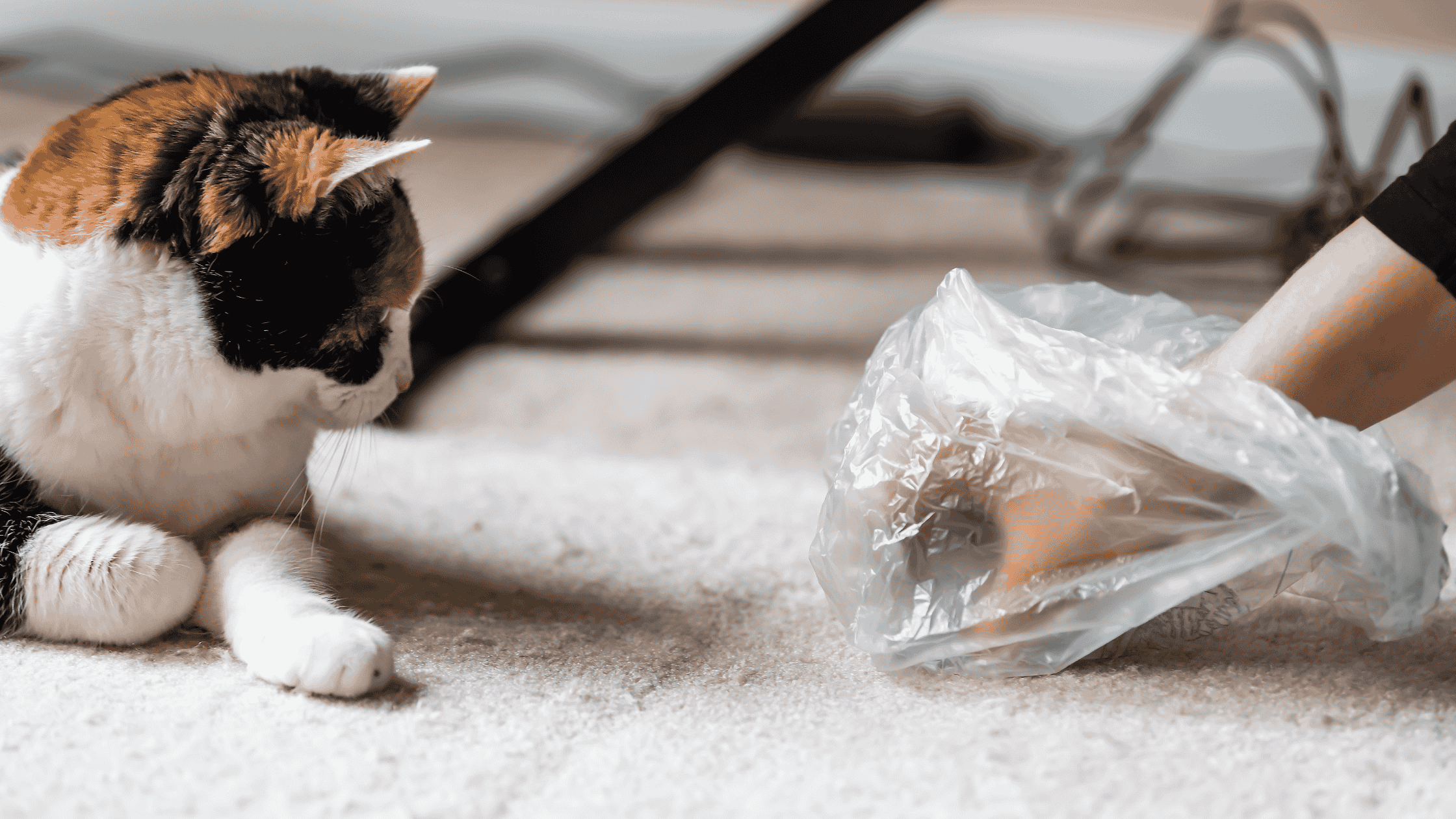
Why do cats get hairballs? If you’re a cat parent, chances are you’ve been jolted awake—or at least startled—by that unmistakable hack-hack-hack sound at some point. (Bonus points if it happened at 3 a.m. on a white rug.) These furry little “gifts” are a normal part of cat life, but when hairballs happen often, they may be telling you more about your cat’s health than you realize.
In this post, we’ll explore the real reasons why cats get hairballs, give you 7 holistic hairball prevention tips, share natural hairball remedy ideas that go beyond the usual petroleum jelly, and—because curiosity didn’t just kill the cat—take a quick detour into dog hairballs.
Self-Grooming Is a Full-Time Job for Cats
Cats are meticulous self-groomers. Their tongues are covered with tiny, backward-facing barbs (papillae) that act like built-in combs, catching loose fur. But those barbs point toward the throat, so once fur is caught, it’s swallowed.
Most of the time, that fur passes quietly through the digestive tract. But sometimes, it lingers, tangles with other hair, and forms a hairball. So, why do cats get hairballs? Grooming is part of their DNA, but frequent hairballs can point to deeper issues.
From a holistic perspective, hairballs aren’t just about fur—they’re about how your cat’s whole digestive system is functioning.
A healthy gut moves food (and fur) along smoothly. This requires:
- Proper motility (the muscular movement that moves things through the gut)
- A balanced microbiome (friendly gut bacteria to keep digestion healthy)
- Adequate moisture (cats evolved to get water from prey, not water bowls)
- The right nutrients to keep skin and coat healthy, so less fur is shed in the first place
When any of these are lacking, hair has a greater chance of clumping into a ball rather than passing naturally.
What Role Does Diet Play in Hairball Formation?
Diet is a huge player in hairball formation. Cats evolved as obligate carnivores, thriving on moisture-rich, protein-heavy diets. Feeding mostly dry kibble may contribute to dehydration and low fiber intake, which can slow digestion and increase the risk of hairballs.
Fiber, while often associated with herbivores, plays a subtle but important role in feline digestion. Cats still need some fiber, but not as much as we humans! Functional fiber from sources like canned pumpkin or psyllium husk helps “sweep” fur along the digestive tract, preventing buildup.
Plus, essential fatty acids like omega-3s promote skin and coat health, reducing shedding and, consequently, the amount of fur cats swallow.
7 Holistic Hairball Prevention Tips That Work
If you’re tired of stepping on squishy surprises, these holistic care tips can help with hairball prevention.
1. Choose Moisture-Rich, Species-Appropriate Diets
Switching to high-quality wet food or raw diets helps keep cats hydrated and supports healthy digestion. Moisture-rich diets soften stools, making it easier for fur to pass.
2. Add Gentle Fiber to Their Meals
Incorporate small amounts of canned pumpkin or psyllium husk, as well as cat-safe grasses like wheatgrass or barley grass. These natural sources of fiber help “sweep” fur along the digestive tract, reducing the chance of it clumping into a hairball.
3. Support the Gut Microbiome with Probiotics
Feline-specific probiotics improve digestion and immune health, balancing the gut flora and reducing digestive sluggishness linked to hairballs.
4. Supplement with Omega-3 Fatty Acids
Fish oils or krill oil provide essential omega-3s that nourish skin, reduce inflammation, and decrease shedding.
5. Keep Your Cat Hydrated
Encourage drinking by providing water fountains, bone broth, or mixing water into wet food. Proper hydration aids digestion and stool softness.
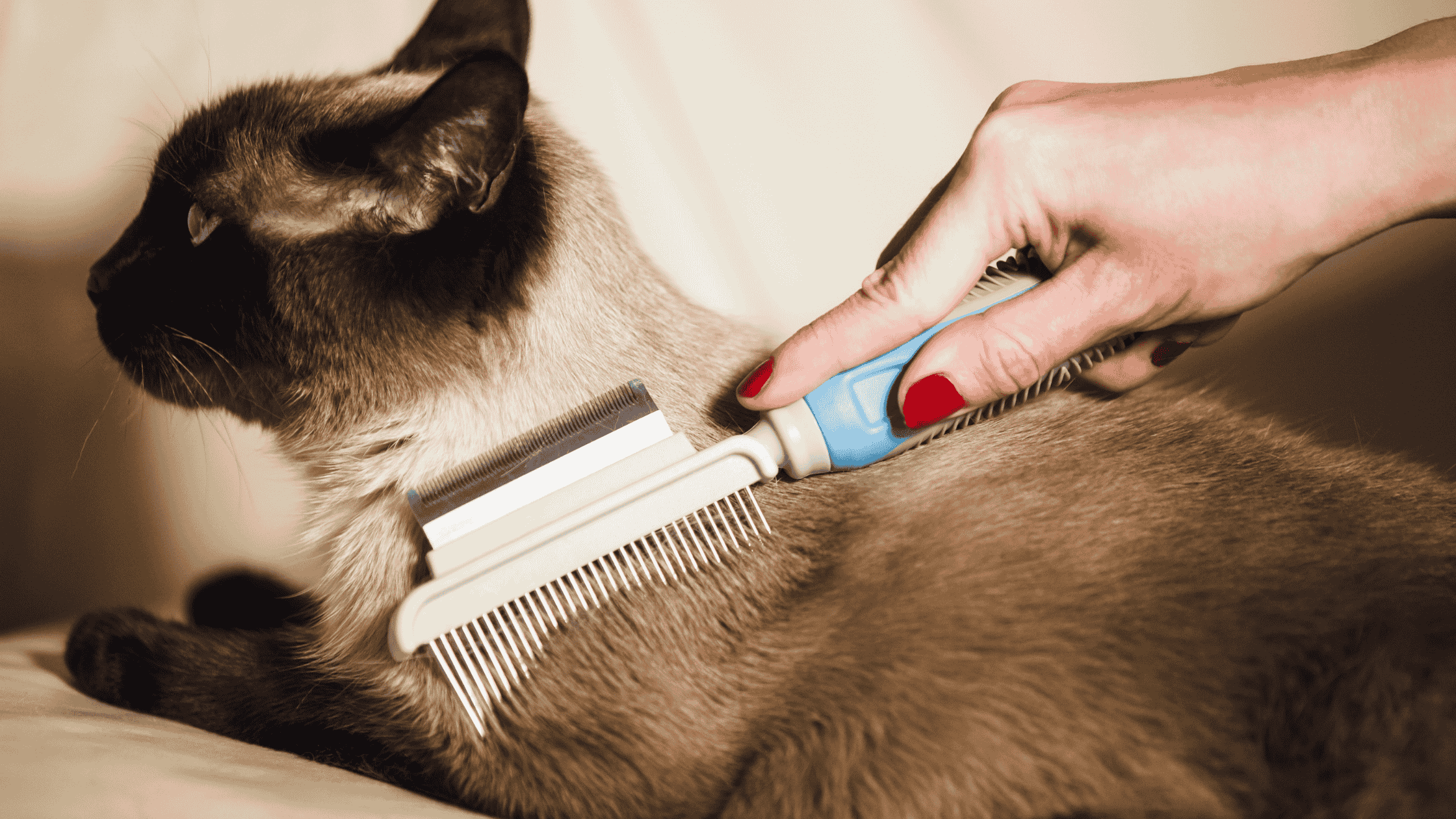
6. Regular Grooming to Minimize Loose Fur
Brush your cat daily, especially during shedding seasons. This reduces the amount of fur your cat swallows and strengthens your bond.
7. Manage Stress and Provide Enrichment
Stress increases over-grooming and digestive issues. Use toys, scratching posts, and quiet spaces to keep your cat calm and happy.
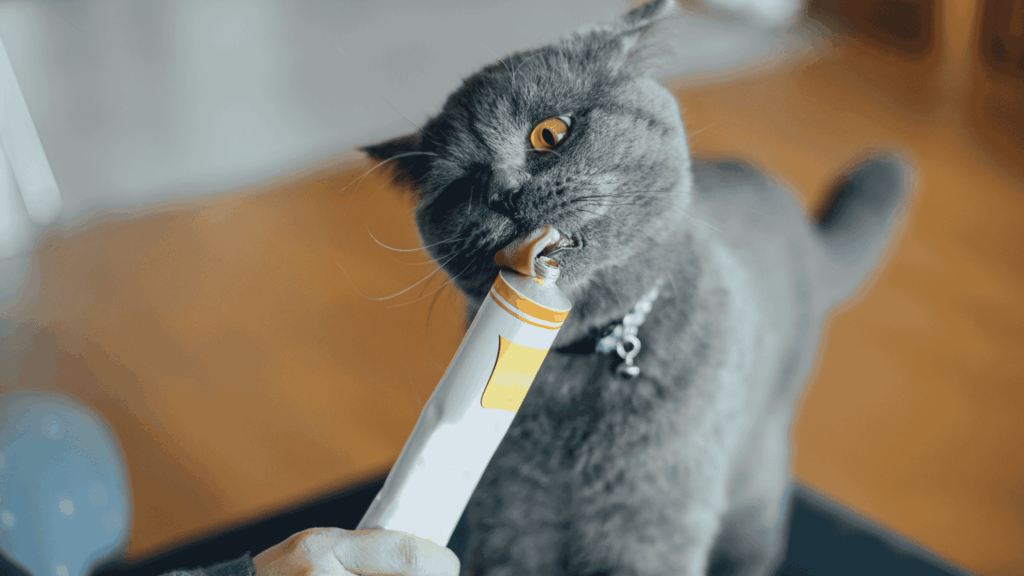
Natural Hairball Remedies
When hairballs strike, you want a gentle yet effective hairball remedy. Traditional petroleum jelly gels can help lubricate hairballs, but may not address the underlying causes.
Instead, holistic remedies focus on gut support and coat health:
- Slippery Elm Bark: This soothing herb coats the digestive tract, easing fur passage.
- Digestive Enzymes: Help break down food and improve nutrient absorption, keeping digestion smooth.
- Probiotics: Maintain gut flora balance.
- Fiber Supplements: Assist in moving hair through the intestines.
Always introduce supplements gradually and consult your vet or holistic pet practitioner.
Dog Hairballs? What’s Up with That?
While more common in cats, dog hairballs do happen—especially in long-haired breeds or dogs that lick excessively due to allergies or boredom. Dogs don’t groom like cats, so hairballs can be a sign of underlying skin or digestive issues.
If you notice hairballs in your dog, a vet visit is essential. Similar holistic approaches—good nutrition, hydration, coat care, and stress reduction—can help reduce hairball occurrences in dogs, too.
Understanding why cats get hairballs helps you address the root causes, not just the symptoms. Focusing on functional nutrition—hydration, fiber, gut health, and essential fats—alongside grooming and stress management, can dramatically reduce hairball frequency.
With these 7 holistic tips for hairball prevention and natural hairball remedies, your cat can feel better inside and out. And you? You get fewer furry surprises on your floor.