
Last Updated:Oct 7, 2026 | Reading Time: 5 minutes | Author: Samantha Stupak | Reviewed by Dr. Wendy Ormsby, Doctor of Chiropractic
Disclaimer: This article is for informational purposes only and does not constitute veterinary advice. Always consult your licensed veterinarian before changing your pet’s health care, diet, or supplement routine.
When your cat’s digestive system is out of sorts, most of us jump straight to the food bowl.
Did she sneak something off the counter? Did you switch the kibble too fast?
Food matters a lot, and it’s also only one piece of the puzzle, especially when the menu hasn’t changed and your kitty still seems a little off.
A cat’s tummy responds to far more than what’s in the bowl. Stress, a shake-up in routine, a recent round of antibiotics, age, and the constant chatter between the gut and the brain can all nudge a happy belly out of balance without a single change to dinner.
Cats are also world-class at keeping their feelings (and their tummy aches) to themselves, so the clues tend to show up sideways. You might notice a coat that’s lost its shine, more hairball hack attacks on your favorite rug, or a social butterfly who used to greet you at the door now spending her days loafing under the bed.
So let’s put on our detective whiskers. Here are seven signs your cat’s digestive system may be asking for a little extra love, plus the non-food reasons behind them.
How the Cat Digestive System Works
The cat digestive system runs from whiskers to tail. (1)
It includes the mouth, esophagus, stomach, liver, pancreas, intestines, rectum, and anus.
Together, they handle four big jobs: digestion, nutrient absorption, motility (moving food along), and elimination.
The feline digestive system is built like a tiny tiger’s.
Cats are obligate carnivores, and their wild ancestors’ prey-based diet delivered roughly 52% of its energy from protein, 46% from fat, and just 2% from carbohydrates. (2)
To match that menu, cats have a simple stomach and a short small intestine, about 4 times their body length compared with roughly 6 times in dogs. (3) It’s a speedy, protein-tuned system that works beautifully on mouse-sized meals. It also helps explain why cats run into trouble quickly when they stop eating.
The gut microbiome lives inside all that plumbing, and that’s where cat gut health gets really interesting.
Learn more by reading our blog: How Your Pet’s Digestive System Works: An Essential Guide to Digestive Health
Why Cat Gut Health Is About So Much More Than Food
Your cat’s gastrointestinal tract is home to trillions of tiny residents: bacteria, fungi, and other microbes collectively called the gut microbiome.
This bustling little city works around the clock.
According to veterinary microbiome research, a balanced gut microbiome helps shape the immune system, defend against unwanted microbes, and supply vitamins and nutrients. (4)
Gut bacteria help make vitamin K and some B vitamins. (5) They also ferment fiber into short-chain fatty acids (SCFAs), which fuel the cells lining the intestine, help regulate gut movement, and calm inflammation. (6)
The gut also talks to the brain, as gut microbes can shape brain activity and behavior, and the brain sends signals back to influence the microbiome.
When this microbial community gets thrown off— a state called dysbiosis—the ripple effects can reach well beyond the litter box. The triggers go way past diet, too.
How Bioenergetics Looks At Your Cat’s Tummy
Bioenergetics takes a whole-body view of your cat’s wellness.
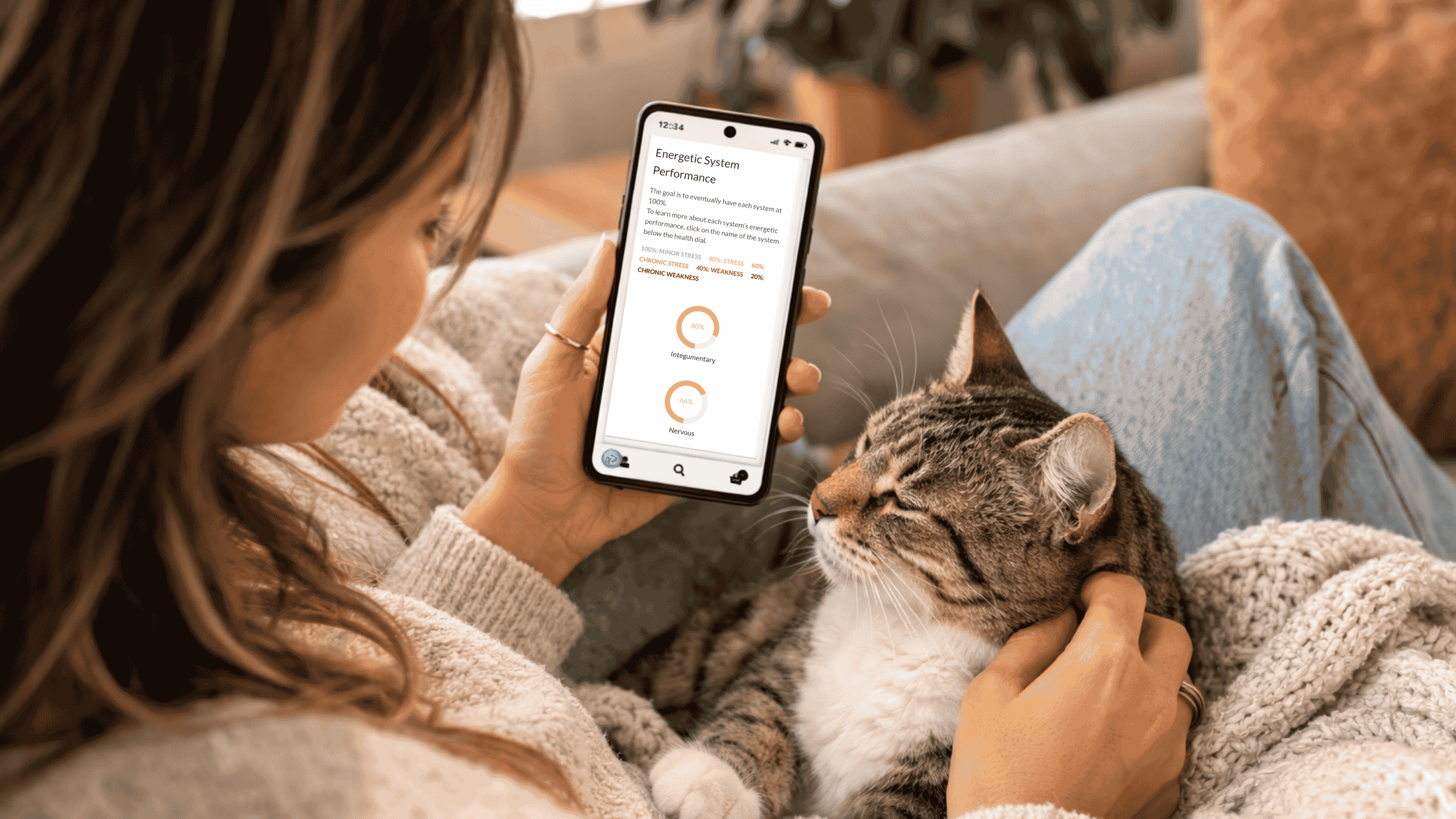
A PetMedella Full Scan uses a small sample of your cat’s hair and saliva to create a whisker-to-tail energetic snapshot. It’s a gentle way to explore what might be behind the tummy changes you’re seeing at home.
Here’s what the report covers:
- System performance: an energetic stress score for 14 body systems, including the Digestive system, Pancreas, Liver, Nervous system, Endocrine system, and Immune system. The goal is to have every system humming along close to 100%.
- Food and environmental sensitivities: foods, additives, and environmental items, from chicken and corn to dust, mold, and lawn chemicals.
- Energetic nutritional imbalances: amino acids, enzymes, vitamins, minerals, and fatty acids that come up low, plus food sources for each.
- Bioenergetically resonating toxins: six categories, covering bacteria, parasites, mold, chemicals, viruses, and heavy metals.
- Energetic hormonal imbalances: hormones like cortisol (the stress hormone), T3 (a thyroid hormone tied to metabolism), and more
- A balancing regimen: herbs, homeopathic remedies, and nutrients, each tested against your cat’s samples to support balance.
You can rescan over time and compare reports side by side to see how your cat’s systems are shifting.
7 Signs Your Cat’s Digestive System Is Out of Balance (That Aren’t About Food)
1. More frequent hairballs
Most cat parents file hairballs under “grooming stuff,” especially with a long-haired floof or a champion shedder.
Normal is considered one to two hairballs a month, but weekly hairballs may be worth mentioning to their vet.
Frequent hairballs can point to over-grooming from stress or itchy skin, or to a digestive tract that isn’t moving hair along efficiently.
In a happy tummy, swallowed fur rides along with the gut’s natural muscle contractions and exits in the litter box. Those SCFAs from friendly bacteria help regulate intestinal motility, so when the microbial mix shifts, the conveyor belt can slow down. (4) Fur lingers in the stomach long enough to clump into the classic 2 a.m. hairball surprise you discover with your bare foot.
Stress may play a role, too. The Journal of Feline Medicine and Surgery review notes that stress and chronic pain can change how the upper digestive tract moves (5), which can leave fur lingering in the stomach.
🐾 On the Full Scan: Hairball-prone kitties often show stress on the Digestive and Integumentary (skin and coat) systems. Environmental sensitivities like dust, mold, or weeds can also come up, which helps explain the itchy skin that sends some cats into grooming overdrive.
2. More hiding or unexplained anxiety
This one surprises a lot of cat parents. The gut-brain axis is a two-way chat line between the belly and the brain, so tummy happenings can show up as purr-sonality changes.
Serotonin plays a big role.
In mammals, more than 90% of the body’s serotonin is made by specialized cells in the gut lining, where it helps run motility, secretion, and sensation. (6)
In cats, this can look like:
- A jumpier startle response or more “airplane ears” body language
- More time spent hiding under the bed or behind the couch
- Less interest in lap time and cuddles with their favorite humans
- Clinginess, crankiness, or unusual withdrawal
🐾 On the Full Scan: The Nervous and Endocrine system scores give a peek at how your cat is handling stress. Cortisol, the stress hormone, may show up energetically high or low. Amino acids, the building blocks the body uses for neurotransmitters like serotonin, can also come up as nutritional imbalances.
3. Dull, flaky, or greasy coat
Your cat’s coat is a window into what’s happening in the tummy.
Skin and fur rely on a steady supply of nutrients absorbed through the gut, and resident bacteria help produce vitamin K and some B vitamins. (7) When the gut lining is inflamed or the microbial community shifts, that nutrient pipeline can become less efficient.
The result can be a coat that goes from glossy and strokeable to dull, greasy at the skin, or flaky, even with the same food and parasites ruled out. These changes tend to creep in over weeks to months, which makes them easy to blame on a birthday or a change in season.
🐾 On the Full Scan: Coat changes often pair with stress on the Integumentary system. Low fatty acids like EPA and alpha-linolenic acid, vitamin E, and minerals can show up as energetic nutritional imbalances, and each has a list of food sources. Food sensitivities show up here too, since the skin often mirrors what’s happening in the tummy.
4. Stress-triggered soft stools (same food, new mess)
Stress is one of the most overlooked reasons for sudden litter box surprises.
Stress and dietary indiscretion are often listed as common causes of acute colitis, or inflammation of the large intestine. This could be due to boarding, moving, severe weather, or other changes. (8)
Everyday cat life adds a few more:
- A new pet, baby, or roommate
- Boarding or a trip to the vet (the dreaded carrier!)
- A new litter brand or a relocated litter box
- Your vacation or a work schedule shake-up
- Feline frenemy tension in a multi-cat home
Stress-related episodes are usually mild and settle within a few days.
🐾 On the Full Scan: The Digestive system score shows how the whole tummy team is coping. Sensitivities to food additives like dyes and sodium nitrate are worth a look, too.
5. A recent round of antibiotics
Antibiotics can affect the friendly bacteria along with the troublemakers. The effects can last longer than the pill bottle.
Just like for humans, probiotics may speed up recovery from antibiotic-related dysbiosis. (9)
During that recovery window, your cat may show:
- Soft stools or diarrhea
- A smaller appetite
- Changes in energy or behavior
- Greater vulnerability to tummy-upsetting germs
If digestive signs showed up or worsened after an antibiotic course, the gut microbiome shake-up is likely part of the puzzle.
🐾 On the Full Scan: The Immune and Lymph systems, along with the Spleen, help show how your cat’s defenses are rebalancing. Bacteria and viruses may show up as bioenergetically resonating, which adds more pieces to the comeback puzzle.
6. Extra gas and noisy tummy rumbles
A little gurgle is part of normal digestion. Loud, frequent rumbles (the fancy word is borborygmi), extra toots, or a rounder-than-usual belly can hint that gut fermentation is off balance.
Gut microbes ferment fiber the body can’t break down on its own, and gas along the way. When stress, illness, antibiotics, or environmental changes shift the microbial mix, that fermentation can shift right along with it. No menu change required.
🐾 On the Full Scan: Gassy kitties often show stress on the Pancreas, the organ that makes digestive enzymes. Enzymes like lactase can come up low, which can make dairy tough to digest. Dairy and grain sensitivities and resonating parasites can also explain the tummy turbulence.
7. Unexplained lethargy or less playtime
This is the subtlest sign, and the easiest to chalk up to age or to cats simply being professional nappers. Healthy adult cats already snooze about 12 to 16 hours a day, so the clue is the change. Watch for a kitty who’s sleeping more than usual, not just a lot.
Lethargy and reduced activity show up among stress-related sickness behaviors in cats, and ongoing gut inflammation can gradually drain the zoomies right out of a kitty.
Across species, the body’s classic “I don’t feel great” mode includes less activity and less interest in socializing (10). It’s built-in energy-saving while the body deals with what’s going on inside.
🐾 On the Full Scan: Low-battery cats often show stress on the Metabolism, Liver, and Endocrine systems. T3, a thyroid hormone that helps set the body’s energy dial, may show up energetically high or low. Minerals like potassium and calcium, and vitamin C, can show up as imbalances, and resonating chemicals, heavy metals, or mold can add to the energy drain.
When To Call Your Veterinarian
Please reach out promptly if you notice any of the following:
- Blood in the stool or vomit
- No eating for 24 hours, since fatty liver disease can start developing within just a few days when cats stop eating
- Repeated vomiting or trouble keeping water down
- A swollen or painful belly
- Low energy plus signs of dehydration (dry gums, sunken eyes)
- Repeated retching without producing a hairball
- A male cat straining in the litter box
How To Improve Cat Gut Health
Keep the menu consistent.
Gut microbes get used to what’s on the plate. When you need to switch foods, go slow and steady over a week or more.
Add moisture.
A cat’s natural prey is up to 75% water, while dry food has only about 5 to 10%. Wet food, or a splash of water on kibble, helps close that gap.
Lower the stress load.
Cozy hiding spots, cat trees and window perches, extra litter boxes in low-traffic spots, and daily wand-toy sessions all help your kitty feel like the ruler of their kingdom.
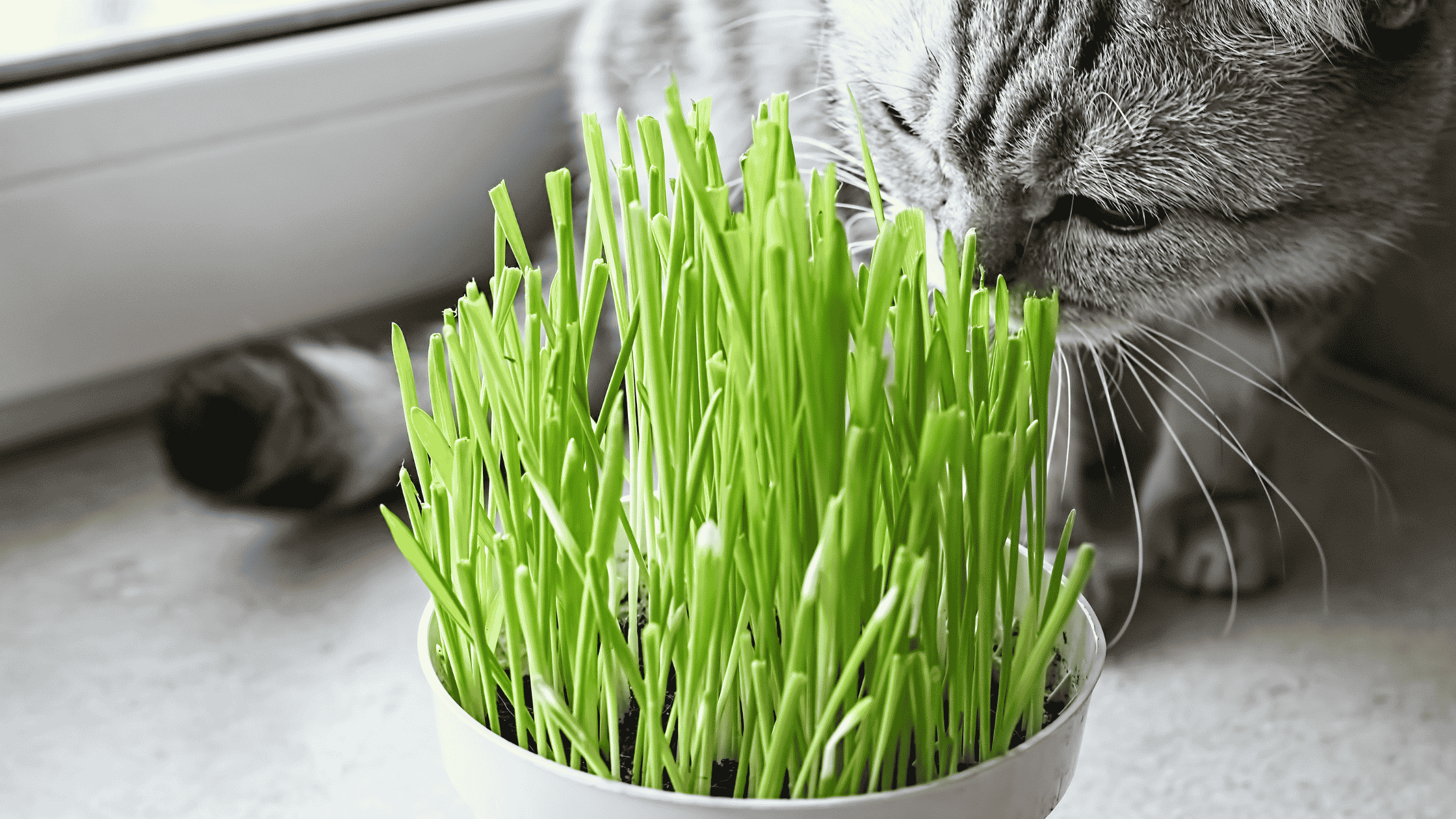
Cat grass for digestion.
Cat grass is a mix of young cereal grasses grown from seeds like wheat, barley, oats, or rye (And no, it’s not catnip, so expect snacking rather than zoomies)
Cat grass can help push out hairballs or bits of food cats have swallowed, thanks to the gentle roughage it adds to a mostly meat-based diet. (11)
UC Davis researchers surveyed well over a thousand cat owners about their cats’ plant snacking. (12) They found very few cats showed signs of illness before eating plants, and 27 to 37% frequently vomited afterward. Short-haired cats nibbled plants just as often as long-haired cats, which argues against the idea that cats eat grass mainly to bring up hairballs!
The researchers see plant eating as an innate habit inherited from the ancestral cat
Your kitty’s salad bar visits are more wild instinct than upset tummy.
Tips for Setting up a Kitty Salad Bar
- Grow it indoors. Lawn grass may carry pesticides, so pick a pot grown specifically for pets
- Give it its own spot. Keep the cat grass garden separate from other houseplants. Bonus: it may lure your cat away from the plants you actually care about.
🐾 Curious what’s going on inside your kitty?
About the Author
Founder, CBH Energetics
Samantha has over 14 years of experience and more than 50,000 bioenergetic scans analyzed worldwide. Her work focuses on identifying patterns of imbalance across systems and helping clients and practitioners understand the deeper connections driving their health challenges. She sits on the board of the American Intervention Institute.
Areas of expertise: Bioenergetic testing · Hormone balancing · Detoxification · Nervous system regulation · Metabolic health · Lyme disease
Research Links
- Merck Veterinary Manual. Introduction to Digestive Disorders of Cats. Merck Veterinary Manual, Pet Owner Version.
- Verbrugghe A, Hesta M. Cats and Carbohydrates: The Carnivore Fantasy? Veterinary Sciences. 2017;4(4):55.
- Vet-ebooks. Cat Anatomy: A Visual Guide to the Organs & Body Systems. Vet-ebooks.com.
- Suchodolski JS. Analysis of the gut microbiome in dogs and cats. Veterinary Clinical Pathology. 2022.
- Cannon M. Hair balls in cats: a normal nuisance or a sign that something is wrong? Journal of Feline Medicine and Surgery. 2013;15(1):21–29.
- Strege PR, Knutson K, Eggers SJ, et al. Sodium channel NaV1.3 is important for enterochromaffin cell excitability and serotonin release. Scientific Reports. 2017;7(1):15650.
- Yang B, Zhong S, Wang J, et al. Dietary Modulation of the Gut Microbiota in Dogs and Cats and Its Role in Disease Management. Microorganisms. 2025;13(12):2669.
- Veterinary Partner (VIN). Colitis-Related Diarrhea in Dogs and Cats. VeterinaryPartner.com.
- Slaughter M, Sung CH, Suchodolski J, et al. Oral administration of Enterococcus lactis strain SF68 speeds the recovery of amoxicillin-clavulanate-induced dysbiosis in cats. Journal of Feline Medicine and Surgery. 2026;28(5).
- Stella JL, Buffington CAT. Pain and Sickness Behaviors. In: Clinical Handbook of Feline Behavior Medicine. Wiley; 2022.
- Hill’s Pet Nutrition. Cat Grass: Is It Safe for My Cat? HillsPet.com.
- Hart BL, Hart LA, Thigpen AP, Willits NH. Characteristics of Plant Eating in Domestic Cats. Animals. 2021;11(7):1853.
DISCLAIMER: Creating Balanced Health, LLC/CBH Energetics and any parent, subsidiary, affiliated or related entities and companies do not provide medical advice or services. This post and bioenergetic products and services offered by Balanced Health, LLC/CBH Energetics including, but not limited to, bioenergetic tests, bioenergetic scans, bioenergetic reports and related products and services (collectively the “Bioenergetic Products and Services”) are designed for educational and informational purposes only and are not intended to diagnose, treat, cure, or prevent any disease, condition, complaint, illness or medical condition and are not a substitute for professional services or medical advice. Seek the advice of a physician or other qualified healthcare professional with any questions you may have. Never disregard professional medical advice or delay seeking treatment. These statements have not been evaluated by the Food and Drug Administration (FDA) or any other government agencies or regulatory authorities.